What Boston’s evolving housing market means for homeowners, remodelers, and builders over the next two years.
The Boston Housing Market Isn’t Crashing—It’s Changing
For years, Boston homeowners watched property values climb at record speed. Between 2020 and 2026, median home prices across the Boston metro area increased roughly 35%, while inventory remained historically low. Even today, Boston remains one of the most expensive and resilient housing markets in the country. But as we head toward 2027, the market is entering a new phase. This isn’t a boom. It’s not a crash.It’s a transition.
Mortgage rates remain above 6%, inventory is slowly increasing, and buyers are becoming more selective. At the same time, Boston’s strong economy, world-class universities, and chronic housing shortage continue to support home values. The result? Many homeowners are asking a different question:
“Why move when I can improve?”
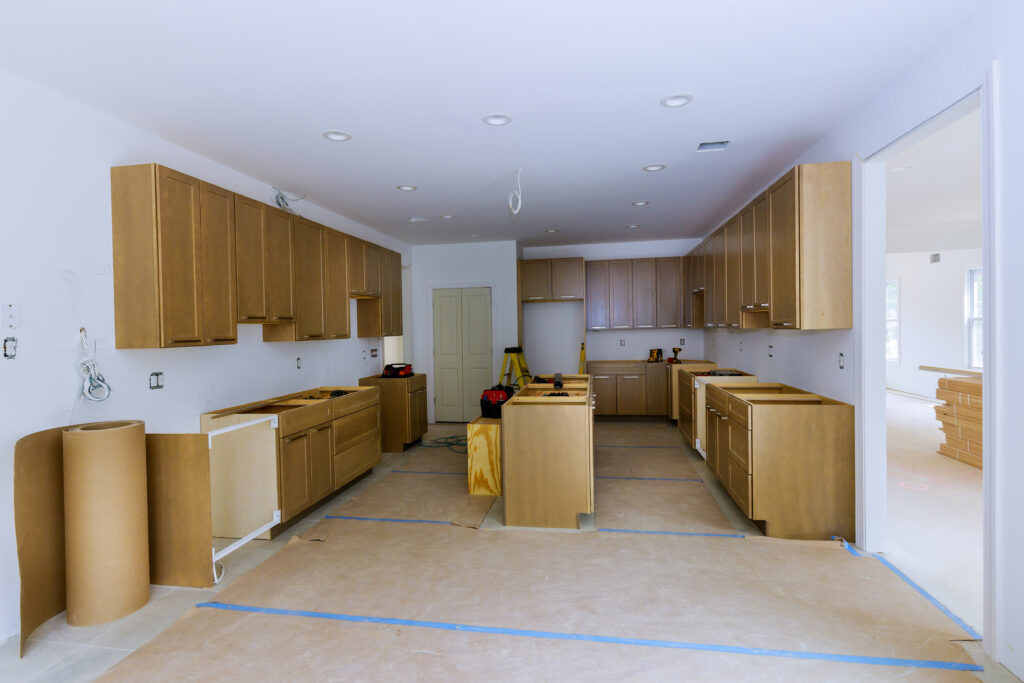
The Rise of the Remodeling Economy
Historically, homeowners upgraded by selling and buying larger homes. Today, that strategy often doesn’t make financial sense. A homeowner who locked in a 3% mortgage in 2021 would likely face a mortgage rate more than double that amount if they purchased a new home today.
For many families, moving could mean:
- Higher monthly payments
- Increased closing costs
- Less buying power
- Intense competition for desirable homes
Instead, homeowners are investing in the homes they already own.
Across Greater Boston, we’re seeing increased demand for:
- Kitchen remodels
- Bathroom renovations
- Basement finishing
- Home additions
- Accessory Dwelling Units (ADUs)
- Multi-generational living spaces
- Energy-efficiency upgrades
- Outdoor living projects
The remodeling market is becoming the preferred alternative to relocation.
What This Means for Remodeling Companies
1. Demand Will Remain Strong Through 2027
Boston’s housing inventory is improving, but not enough to solve the housing shortage.
As long as homeowners feel “locked in” by low-interest mortgages, remodeling companies will continue benefiting from:
- Aging housing stock
- High replacement costs
- Growing home equity
- Limited housing supply
Homeowners who gained hundreds of thousands in equity since 2020 are increasingly willing to reinvest that value back into their properties.

2. ADUs Are Becoming a Major Opportunity
Massachusetts recently expanded support for Accessory Dwelling Units (ADUs), making them easier to build statewide.
For homeowners, ADUs can provide:
- Rental income
- Housing for aging parents
- Space for adult children
- Home office flexibility
For remodeling and construction companies, ADUs represent one of the fastest-growing segments in residential construction.
Companies that become experts in:
- Zoning
- Permitting
- Design-build services
- Utility connections
will have a competitive advantage over the next several years.
3. Design-Build Services Will Win
Today’s homeowners aren’t just shopping for contractors. They’re looking for solutions. Successful remodeling companies will position themselves as trusted advisors who can help clients:
- Evaluate ROI
- Navigate permits
- Understand financing
- Maximize resale value
The contractor who can guide a homeowner through the entire process becomes significantly more valuable than one who simply provides labor.
4. Aging Housing Stock Creates Long-Term Demand
Much of Greater Boston’s housing inventory was built decades ago. Many homes require:
- Structural updates
- Modern layouts
- Energy improvements
- Mechanical system upgrades
These projects are no longer luxuries. They’re necessities. This creates a steady stream of remodeling opportunities regardless of short-term housing market fluctuations.
What This Means for Homeowners
Remodeling May Produce Better Returns Than Moving
With mortgage rates remaining elevated, many homeowners can achieve their goals more efficiently by improving their existing home.
Examples include:
Need More Space?
Consider:
- A second-story addition
- Finished basement
- Garage conversion
- ADU construction
Need a Better Kitchen?
A well-designed kitchen remodel can improve daily life while increasing resale value.
Planning for Aging in Place?
Bathroom renovations, wider doorways, and first-floor living solutions are becoming increasingly popular.
Focus on Projects That Add Long-Term Value

Not every renovation delivers the same return.
Projects likely to remain valuable through 2027 include:
Kitchen Renovations
The heart of the home continues to drive buyer demand.
Bathroom Remodels
Modern, functional bathrooms remain one of the most requested upgrades.
Energy Efficiency Improvements
Heat pumps, insulation upgrades, windows, and solar-ready infrastructure are becoming increasingly important.
ADUs
Potential rental income and multi-generational flexibility make these especially attractive.
Finished Basements
Creating usable square footage without expanding a home’s footprint often delivers strong value.
A New Era for Boston Construction
The next phase of Boston housing won’t be defined solely by new home construction. It will be shaped by homeowners adapting existing homes to fit changing lifestyles. As housing remains expensive and inventory stays constrained, remodeling becomes a practical solution for thousands of families. For construction companies, that means opportunity. For homeowners, it means flexibility. And for the Boston market overall, it signals a shift toward maximizing existing housing rather than relying solely on new supply.
Final Takeaway
Boston’s housing market appears poised for moderate growth rather than major decline through 2027. Home prices may rise more slowly, inventory may improve, and buyers may gain more leverage—but the region’s long-term housing shortage isn’t disappearing anytime soon. That creates a powerful trend: More homeowners will choose to renovate instead of relocate. The future of Boston housing isn’t just about buying and selling. It’s about building smarter, remodeling strategically, and creating homes that work for the next decade.