When homeowners begin planning a remodeling project, one of the first questions they ask is, “Why do contractor prices vary so much?” It’s not uncommon to receive estimates that differ by thousands—or even tens of thousands—of dollars for what appears to be the same scope of work.
While every company has different overhead costs, experience levels, and operating methods, there is often another factor behind unusually low bids: the project may have been underpriced from the beginning.
Unfortunately, when a contractor commits to a project without accurately accounting for labor, materials, permits, inspections, and potential unforeseen conditions, financial pressure can quickly develop once construction begins. In some cases, that pressure leads contractors to make decisions that prioritize protecting their profit rather than protecting the homeowner’s investment.
Understanding how and why this happens can help homeowners make better decisions when selecting a remodeling contractor.
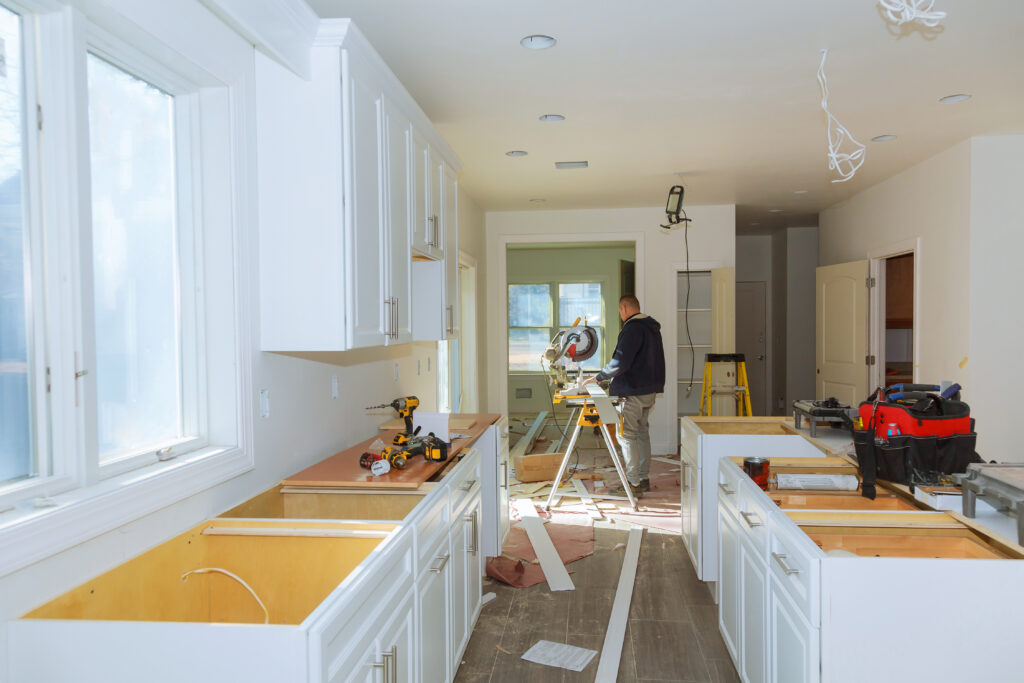
The Real Cost of an Underpriced Project
A remodeling project involves far more than simply purchasing materials and showing up with a crew.
A properly estimated project typically includes:
- Labor costs
- Building materials
- Permit fees
- Inspection requirements
- Project management
- Insurance and licensing expenses
- Waste disposal
- Equipment and tool costs
- Code compliance upgrades
- Contingency planning for unforeseen conditions
When a contractor significantly underestimates any of these costs, they may discover halfway through the project that the budget no longer supports the work that was promised.
At that point, the contractor generally has three choices:
- Absorb the loss and complete the project correctly.
- Request additional funds from the homeowner.
- Cut corners to reduce expenses.
Unfortunately, some contractors choose the third option.
Common Shortcuts Contractors May Take
While not every low-priced contractor cuts corners, underpriced projects often create circumstances where shortcuts become tempting.
Avoiding Required Permits and Inspections
One of the most common ways contractors attempt to save money is by avoiding permits altogether.
Permits require:
- Application fees
- Detailed planning
- Code compliance
- Scheduled inspections
- Potential corrections if deficiencies are discovered
By skipping permits, a contractor can save both time and money.
However, permits exist to protect homeowners. Inspections help verify that electrical, plumbing, structural, and safety systems are installed correctly and meet current building codes.
Without permits, there is often no independent verification that the work was completed safely.
Using Lower-Quality Materials
Another common shortcut involves substituting materials that are less expensive than those originally discussed.
Examples may include:
- Lower-grade lumber
- Inferior flooring products
- Budget fixtures and finishes
- Cheaper insulation materials
- Reduced waterproofing systems
These substitutions may not be obvious immediately after construction is completed. In many cases, the consequences do not become apparent until years later when materials begin to fail prematurely.
Skipping Insulation and Air Sealing Requirements
Proper insulation and air sealing are critical components of modern remodeling projects.
Unfortunately, these elements are often hidden behind drywall and difficult for homeowners to inspect.
Contractors attempting to reduce costs may:
- Install less insulation than required
- Leave gaps around penetrations
- Skip air sealing procedures
- Ignore energy code requirements
The result can be:
- Higher energy bills
- Drafts and temperature inconsistencies
- Moisture problems
- Reduced comfort throughout the home
Because these issues are hidden inside walls, homeowners often don’t realize there is a problem until long after the project has been completed.
Failing to Update Electrical or Plumbing Systems
Many remodeling projects uncover outdated electrical and plumbing systems.
Current building codes frequently require upgrades when certain portions of a home are renovated.
Examples may include:
- GFCI protection
- AFCI protection
- Updated grounding systems
- Proper venting
- Modern shutoff valves
- Increased electrical capacity
These upgrades can add cost to a project.
A contractor focused on minimizing expenses may choose to leave outdated systems untouched, even when improvements are required for safety or code compliance.
Concealing Problems Behind Finished Surfaces
Perhaps the most concerning shortcut occurs when deficiencies are intentionally covered before anyone has the opportunity to inspect them.
Examples can include:
- Improper framing
- Water damage
- Mold issues
- Inadequate structural repairs
- Plumbing defects
- Electrical hazards
Once drywall, tile, flooring, or cabinetry is installed, identifying these issues becomes significantly more difficult and expensive.
The Long-Term Consequences for Homeowners
Many shortcuts remain hidden during the excitement of a newly completed renovation.
Problems often surface months or years later.
Common consequences include:
Failed Home Inspections
When homeowners decide to sell their property, unpermitted or improperly completed work may be discovered during a buyer’s inspection.
This can lead to:
- Delayed closings
- Reduced property value
- Costly corrective work
- Lost buyers
Water Damage and Mold Issues
Improper waterproofing, flashing, plumbing, or drainage can create hidden moisture problems.
Over time, these issues may result in:
- Structural damage
- Mold growth
- Rotting materials
- Expensive repairs
Increased Energy Costs
Missing insulation and poor air sealing frequently cause homeowners to experience:
- Higher heating bills
- Higher cooling bills
- Drafty rooms
- Uneven temperatures
Safety Concerns
Electrical, plumbing, and structural shortcuts can create serious hazards for families.
Potential risks include:
- Electrical fires
- Water leaks
- Structural failures
- Indoor air quality issues
These problems often cost far more to correct than they would have if the work had been completed properly from the beginning.
What a Properly Planned Remodeling Project Should Include
A successful remodeling project begins long before demolition starts.
Professional contractors typically account for every aspect of the project during the planning phase.
This includes:
Required Permits and Inspections
Permits provide accountability and verification that work meets applicable building codes.
A reputable contractor should be willing to explain:
- Which permits are required
- Who is responsible for obtaining them
- What inspections will occur during construction
Compliance with Current Building Codes
Building codes evolve over time to improve safety, efficiency, and performance.
Professional contractors stay informed about current requirements and incorporate them into project planning.
Quality Materials and Workmanship
The materials used in a remodeling project directly impact its durability, appearance, and long-term value.
Quality workmanship ensures those materials perform as intended for years to come.
Realistic Labor and Project Timelines
Every project requires adequate time to complete correctly.
Contractors who promise unrealistically fast schedules may be overlooking critical steps that contribute to quality results.
Transparency About Unforeseen Conditions
No remodeling project is completely predictable.
Once walls, floors, or ceilings are opened, previously hidden issues may be discovered.
A trustworthy contractor will:
- Explain potential risks upfront
- Document discoveries clearly
- Present options before proceeding
- Communicate costs honestly
Questions Every Homeowner Should Ask Before Hiring a Contractor
Price is important, but it should never be the only factor in the decision-making process.
Homeowners should also ask:
- Will permits be required?
- Who obtains the permits?
- What inspections will occur?
- How do you handle code compliance upgrades?
- What happens if unforeseen conditions are discovered?
- How are change orders managed?
- What materials will be used?
- How do you ensure quality control throughout the project?
The answers to these questions often reveal far more about a contractor than the final price on an estimate.
While a lower price may seem attractive initially, homeowners should carefully consider what may be missing from an unusually inexpensive proposal. Permits, inspections, code compliance, quality materials, and proper workmanship all contribute to the long-term success of a renovation.
A remodeling project is a significant investment in your home, comfort, and future property value.At River City Construction, we believe successful remodeling projects are built on accurate planning, honest communication, and a commitment to doing the work correctly the first time. Our goal is not simply to complete projects, but to deliver lasting value, safety, and peace of mind for every homeowner we serve.
When comparing contractors, don’t just ask, “How much does it cost?”
Ask, “How will this project be completed, inspected, and protected for the future?”
That conversation may ultimately save you thousands of dollars—and years of frustration.