Everyone gets excited about the big renovation decisions.
The paint color.
The countertops.
The flooring.
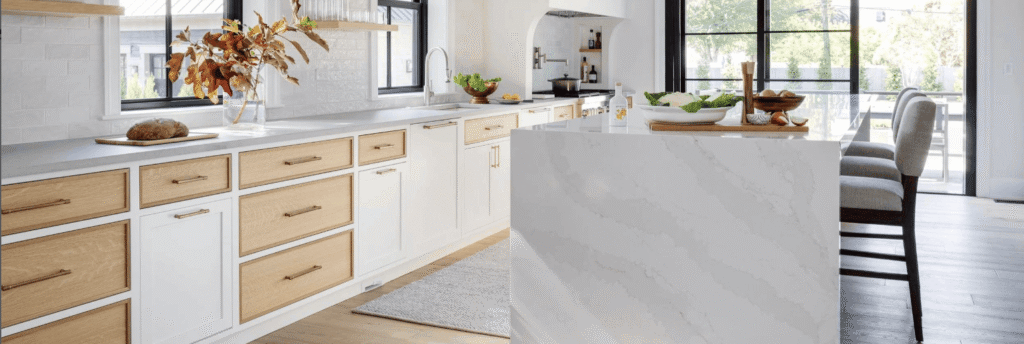
The giant island everyone gathers around.
But after years of walking through finished homes, I can tell you something most homeowners don’t realize until it’s too late:
The biggest renovation regrets usually come from the things nobody thought about early enough.
And the frustrating part?
Most of them are preventable.
Here are the 5 things homeowners ALWAYS forget during renovations — and why thinking ahead makes all the difference.
1. Storage: You Never Have “Enough”
Most people design for what looks good in photos.
Professionals design for real life.
Because once you actually move back into your renovated home, reality hits fast:
- Kids’ backpacks pile up
- Appliances take over counters
- Cleaning supplies need a home
- Seasonal items somehow multiply every year
And suddenly that “clean minimalist look” becomes cluttered chaos.
The Biggest Mistake:
Homeowners focus on visible storage but forget functional storage.
Things like:
- broom closets
- deep pantry pull-outs
- hidden charging drawers
- linen storage
- garage organization
- mudroom lockers
These aren’t glamorous decisions during design meetings… but they become the features you appreciate every single day.
Pro Tip:
Always ask yourself:
“Where will this actually go?”
If you can’t answer that during planning, it’ll become a problem later.
2. Lighting: One Ceiling Light Isn’t Enough
Lighting is probably the most underestimated part of a renovation.
Most homeowners think:
“We’ll just add recessed lights.”
But great lighting isn’t about brightness.
It’s about layers.
A professionally designed room usually includes:
- ambient lighting (general room light)
- task lighting (under cabinets, reading areas)
- accent lighting (sconces, toe-kick lighting, shelves)
Without layers, even expensive renovations can feel flat and unfinished.

Common Missed Opportunities:
- No under-cabinet kitchen lighting
- Not enough dimmers
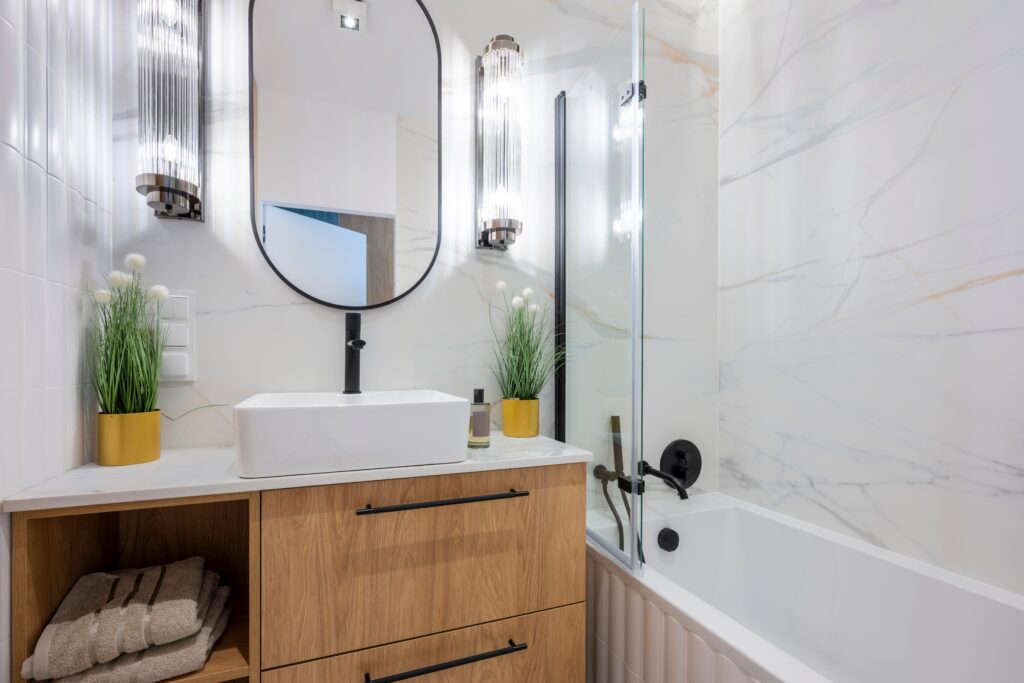
- Poor bathroom mirror lighting
- Dark hallways
- No lighting over seating areas
And here’s the big one:
Natural light matters just as much as fixtures.
Sometimes moving a wall or enlarging a window changes a room more than any finish upgrade ever could.
The Difference You Feel:
Good lighting makes a home feel:
- larger
- warmer
- more luxurious
- more comfortable
Even if you can’t explain why.
3. Outlets: You Need More Than You Think
Nobody notices outlets…
Until there aren’t enough.
This is one of the most common homeowner regrets after a remodel.
Today’s Homes Need Power Everywhere
Think about how people actually live now:
- phones
- tablets
- coffee stations
- gaming systems
- work-from-home setups
- robot vacuums
- smart home devices
Yet many renovations still plan electrical layouts like it’s 2005.
Common Things People Forget:
- outlets inside pantries
- kitchen island outlets
- bathroom drawer charging stations
- outdoor outlets
- garage charging
- holiday lighting plugs
- bedside USB charging
And one of the biggest mistakes:
Not planning furniture placement BEFORE electrical.
You don’t want extension cords running across a brand-new room.
Pro Tip:
If you’re debating whether to add another outlet…
Add it.
You’ll never regret having too many.
4. Traffic Flow: How the Home Actually Moves
A beautiful room can still feel awkward if movement through the space isn’t planned correctly.
This is where experienced builders and designers think differently.
We don’t just look at the room.
We look at how people move THROUGH the room.
Questions Most Homeowners Never Ask:
- Can two people cook comfortably at the same time?
- Does the island block movement?
- Is the hallway too narrow?
- Will chairs hit walls when pulled out?
- Can kids move through without disrupting everything?
Traffic flow affects how a home feels every single day.
And bad layouts create stress people can’t always explain.
Signs of Poor Flow:
- bottlenecks around islands
- crowded entryways
- awkward furniture layouts
- constantly walking around obstacles
- rooms that “feel smaller” than they are
Good design should feel effortless.
You shouldn’t have to think about movement in a well-designed home.
It should just work naturally.

5. Future Family Needs: Renovate for the NEXT 10 Years
This is the biggest one.
Most homeowners renovate for their current life instead of their future life.
And that can become expensive later.
Think Ahead:
- Will kids become teenagers soon?
- Will parents move in later?
- Are you planning to work from home more?
- Will storage needs increase?
- Are stairs going to become difficult eventually?
Smart renovations grow with your family.
That might mean:
- wider hallways
- a first-floor office/flex room
- extra bathroom space
- future laundry relocation
- additional storage
- adaptable layouts
The Best Renovations Age Well
Trends change.
Life changes faster.
The homeowners happiest with their renovation years later are usually the ones who planned beyond today.
Final Thoughts
A renovation isn’t just about making a home look better.
It’s about making life work better.
The details homeowners forget — storage, lighting, outlets, traffic flow, future planning — are usually the things that determine whether a renovation still feels amazing 5 years later.
Anyone can choose pretty finishes.
But thinking ahead?
That’s what separates an average renovation from a truly well-designed home.
And honestly…
Those “small” details are usually the ones homeowners talk about the most after the project is finished.